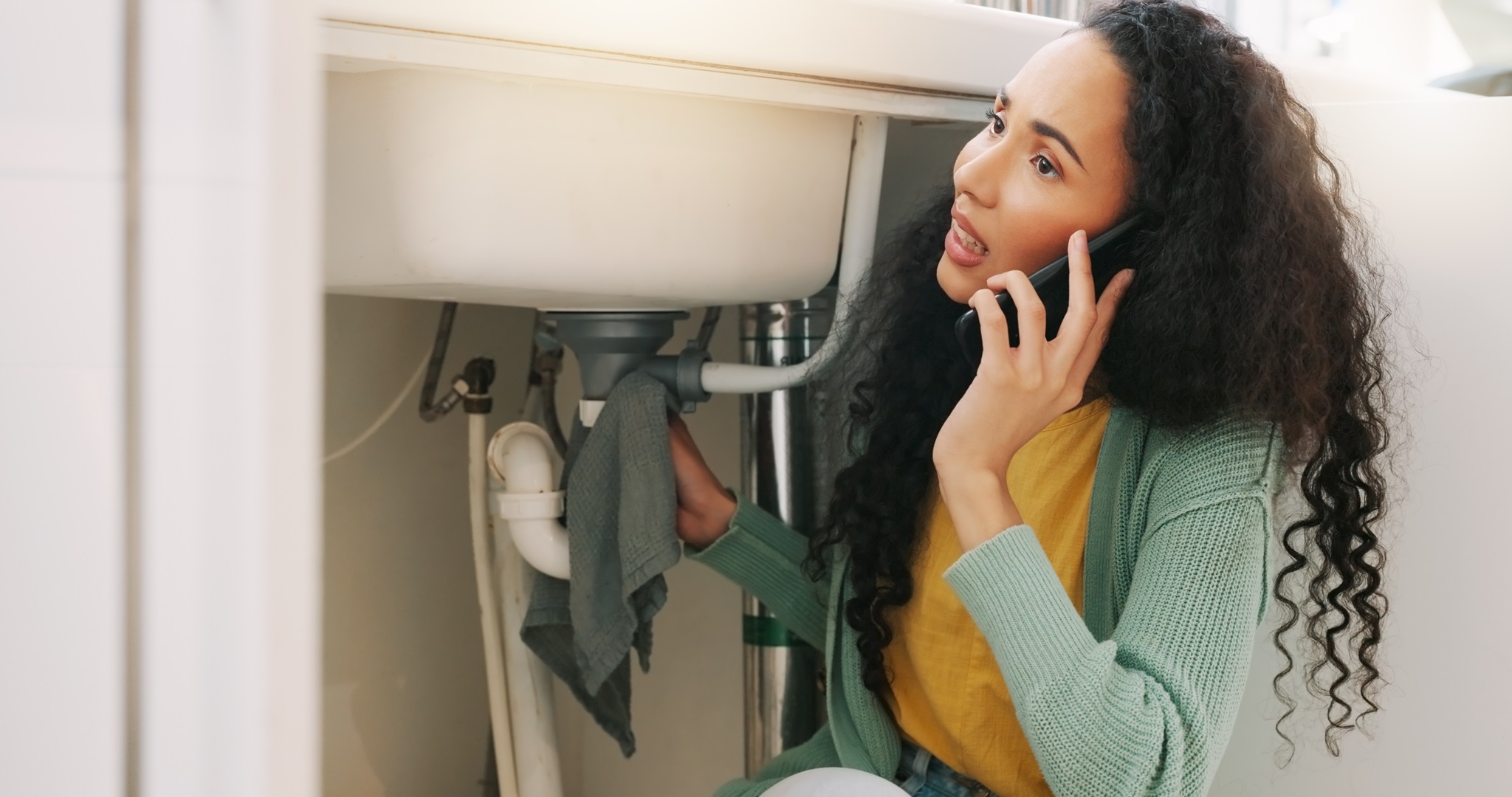
As winter’s chill settles in, ensuring your home remains warm and comfortable becomes paramount. The last thing you want is a frozen pipe or a malfunctioning boiler to disrupt your cosy haven. In our Winter Plumbing Survival Guide, we will equip you with essential tips that not only protect your plumbing from the harsh elements but also keep your boiler running smoothly throughout the season. From simple preventative measures to expert tricks that save you money and hassle, our guide is all about safeguarding your home against the winter freeze. Let us delve into the strategies that will help you beat the cold and enjoy a worry-free winter. Embrace the season with confidence, knowing that your plumbing is ready to withstand whatever winter throws your way!
Understanding the Risks of Winter Plumbing
Winter brings with it a host of challenges for your home’s plumbing system. The most significant risk is the potential for pipes to freeze. When the temperature drops, the water inside your pipes can freeze, expand, and eventually cause the pipes to burst. This can lead to significant water damage, costly repairs, and a very uncomfortable living situation. Understanding these risks is the first step in preventing winter plumbing issues.
Another major concern during the cold months is the increased demand on your boiler. As the temperature outside drops, your boiler works overtime to keep your home warm. This increased workload can lead to wear and tear, and without proper maintenance, it can result in boiler breakdowns at the worst possible times. Ensuring your boiler is in top condition before winter hits is crucial to avoid unexpected heating failures.
Additionally, winter weather can exacerbate existing plumbing issues that may have gone unnoticed during the warmer months. Minor leaks, weak pipe connections, and other insignificant problems can become major headaches when subjected to freezing temperatures. Taking the time to inspect and address these issues before winter can save you from a lot of stress and expense.
Signs of Potential Pipe Freezing
Recognising the warning signs that your pipes may be in danger of freezing is crucial to taking timely action. One of the first indicators is a reduction in water flow. If you notice that your taps are producing less water than usual, it could be a sign that ice is beginning to form inside the pipes, restricting the flow.
Another tell-tale sign is frost on the exterior of your pipes. In unheated areas like basements, garages, or lofts, visible frost on the pipes is a clear indication that the temperature is low enough for freezing to occur. This is a red flag that immediate measures are needed to prevent a complete freeze.
Unusual sounds can also be a significant indicator. If you hear strange noises such as banging, clanking, or gurgling coming from your pipes, it might be due to ice blockages or pressure build-up from freezing water. These sounds should not be ignored as they often precede more serious issues like pipe bursts.
Essential Tips to Prevent Freezing Pipes
Preventing your pipes from freezing starts with keeping them warm. One effective method is to keep your home’s heating on consistently, even when you are away. Maintaining a steady temperature helps to ensure that the pipes do not get cold enough to freeze. It is advisable to always keep your thermostat set to at least 12°C (55°F).
Another important tip is to allow warm air to circulate around your pipes. Open cabinet doors under sinks and in bathrooms to let the heat from the rest of the house reach the pipes. This is particularly important for pipes located along exterior walls, which are more susceptible to freezing temperatures.
Additionally, letting your taps drip slightly can prevent freezing. Running water through the pipes, even at a trickle, helps to prevent the water from freezing. This is because moving water has a lower chance of freezing compared to stagnant water. Focus on the taps that are furthest from your main water supply line, as these are usually the most vulnerable.
How to Insulate Your Pipes Effectively
Proper insulation is one of the most effective ways to protect your pipes from freezing. Start by identifying the pipes that are most at risk, such as those in unheated areas like basements, lofts, and garages. These pipes should be your top priority when it comes to insulation.
There are several types of insulation materials available, but foam pipe insulation is one of the easiest and most effective options. Foam pipe sleeves can be easily slipped over the pipes and secured with tape or zip ties. This type of insulation provides a barrier between the cold air and the pipes, helping to keep the water inside from freezing.
In addition to foam pipe insulation, you can also use heat tape or heat cables. These electrical devices are wrapped around the pipes and plugged into an outlet. They provide a constant source of heat to keep the pipes warm. Be sure to follow the manufacturer’s instructions carefully when installing these products to ensure safety and effectiveness.
Boiler Maintenance Before Winter Hits
Preparing your boiler for winter is essential to ensure it runs smoothly throughout the cold months. Start by scheduling a professional inspection and maintenance service. A qualified technician will check for any issues, clean the components, and ensure everything is in working order. This proactive step can prevent unexpected breakdowns and improve the efficiency of your boiler.
In addition to professional maintenance, there are several things you can do yourself. First, check the pressure gauge on your boiler. The pressure should typically be between 1 and 1.5 bar. If it is too low, you can top it up using the filling loop. Refer to your boiler’s manual for specific instructions on how to do this safely.
Another important maintenance task is bleeding your radiators. Over time, air can get trapped in the radiators, causing them to heat unevenly. Use a radiator key to release the trapped air until water starts to flow out. This simple step can improve the efficiency of your heating system and ensure your home stays warm.
Troubleshooting Common Boiler Issues
Even with the best maintenance, boilers can sometimes run into issues. One common problem is a lack of hot water or heating. This can be caused by a variety of factors, including low pressure, a faulty thermostat, or a malfunctioning pilot light. Start by checking the pressure gauge and the thermostat settings. If everything appears normal, you may need to call a professional to diagnose and fix the issue. You may well need a replacement boiler – an expert will be able to tell you.
Another frequent issue is strange noises coming from the boiler. Banging, whistling, or gurgling sounds can indicate problems such as kettling, air in the system, or a faulty pump. While some noises can be resolved by bleeding the radiators or adjusting the pressure, others may require the expertise of a qualified technician.
If your boiler is losing pressure regularly, it could be due to a leak in the system. Check for visible signs of water around the boiler and the pipes. Even small leaks can lead to significant pressure loss over time. If you suspect a leak, it is important to have it repaired promptly to prevent further damage to your heating system.
What to Do If Your Pipes Freeze
If you suspect that your pipes have frozen, it is important to act quickly to prevent them from bursting. Start by turning off the main water supply to reduce the pressure in the pipes. This can help to prevent a rupture if the pipe is already stressed from the freeze.
Next, locate the frozen section of the pipe. This is often in areas that are unheated or exposed to the cold, such as basements, attics, or exterior walls. Once you have identified the frozen area, you can begin the thawing process. Use a hair dryer, heat lamp, or electric heating pad to apply gentle heat to the frozen pipe. Never use an open flame, as this can damage the pipe and create a fire hazard.
As you apply heat, keep the tap on to allow water to flow through the pipe. This helps to melt the ice and relieve pressure. Once the water begins to flow normally, continue to monitor the pipe for any leaks or damage. If you are unable to locate the frozen section or if the pipe is damaged, it is best to call a professional plumber for assistance.
Emergency Plumbing Services: When to Call a Professional
While many winter plumbing issues can be managed with preventative measures and DIY fixes, there are times when it is best to call in a professional. If you experience a major plumbing emergency, such as a burst pipe or a complete boiler failure, it is important to contact a licensed plumber immediately. These situations can cause significant damage and require expert handling to resolve.
Another scenario that warrants professional assistance is if you are unable to thaw a frozen pipe or if you suspect a serious issue with your boiler. Attempting to fix these problems without the proper knowledge and tools can lead to further damage and costly repairs. A professional plumber has the expertise to quickly diagnose and repair the issue, ensuring your home’s plumbing system is restored to proper working order.
Additionally, if you are planning to undertake any major plumbing projects, such as replacing pipes or installing new heating systems, it is advisable to hire a professional. These projects require precise knowledge and adherence to building codes and regulations. A skilled plumber can ensure the job is done correctly and safely, giving you peace of mind during the winter months.
Long-Term Plumbing Solutions for Winter
To ensure your home’s plumbing system is well-protected year after year, consider implementing long-term solutions. One effective strategy is to upgrade your insulation. Adding additional insulation to your home’s walls, attic, and crawl spaces can help to maintain a consistent temperature and reduce the risk of frozen pipes. This investment not only protects your plumbing but also improves your home’s overall energy efficiency.
Another long-term solution is to install a smart thermostat. These devices allow you to monitor and control your home’s temperature remotely, ensuring that your heating system is always operating efficiently. Smart thermostats can also learn your heating preferences and adjust the temperature accordingly, helping to prevent frozen pipes and reduce energy costs.
Finally, consider upgrading your plumbing system with more durable materials. Modern plumbing materials, such as PEX (cross-linked polyethylene) piping, are more resistant to freezing and bursting compared to traditional metal pipes. If you are planning a renovation or plumbing upgrade, consult with a professional plumber to explore options that offer better protection against winter conditions.
Conclusion: Preparing Your Home for Winter
Winter can be a challenging time for your home’s plumbing system, but with the right preparation and maintenance, you can avoid many of the common issues that arise during the cold months. By understanding the risks, recognising the signs of potential problems, and implementing preventative measures, you can protect your pipes and keep your boiler running smoothly.
Regular maintenance and inspections are key to ensuring your plumbing system is in top condition. If you are in areas like South London or North London do not wait until the temperature drops to take action. Schedule a professional boiler service, check your pipes for potential issues, and invest in proper insulation to safeguard your home against the winter chill.
By following the tips and advice in this Winter Plumbing Survival Guide, you can enjoy a warm, comfortable, and worry-free winter. Embrace the season with confidence, knowing that your home’s plumbing is well-prepared to withstand whatever winter throws your way.