
As Gas Safety Week 2026 approaches, it’s the perfect time for homeowners to reassess the safety of their gas appliances and systems. With the rise of gas-related incidents, understanding essential safety measures has never been more crucial. This week serves as a timely reminder to ensure your home remains a safe haven.
From routine checks to understanding the signs of potential hazards, our article offers invaluable insights to empower you as a responsible homeowner. Whether you are a seasoned pro or new to gas safety, we’ll provide practical tips and essential information to keep your home safe and secure.
Let’s navigate through the crucial steps you need to take and make this Gas Safety Week a turning point for your household’s safety and peace of mind. Embrace the chance to educate yourself and protect what matters most!
Understanding Gas Safety: An Overview
Gas safety is an often overlooked but critically important aspect of home maintenance. Ensuring that gas appliances are safely installed, maintained, and used can prevent dangerous situations such as gas leaks, fires, and carbon monoxide poisoning. Many homeowners may not realise the potential hazards that can arise from improper care and usage of gas appliances, making awareness and understanding of gas safety vital.
Gas appliances, including boilers, cookers, and heaters, are common in many homes. While they are efficient and convenient, they also pose risks if not correctly managed. Gas safety encompasses a range of practices aimed at mitigating these risks. From regular maintenance and servicing of appliances to understanding the warning signs of gas leaks, a comprehensive approach to gas safety can significantly reduce the likelihood of accidents.
At its core, gas safety is about prevention. By taking proactive steps such as ensuring proper ventilation, using appliances correctly, and having regular inspections carried out by qualified professionals, homeowners can protect their families and properties from the dangers associated with gas. This Gas Safety Week, make it a priority to educate yourself and implement essential safety measures to create a safer living environment.
The Importance of Gas Safety Week
Gas Safety Week was established to raise awareness about the importance of gas safety and to encourage homeowners to take proactive measures in maintaining their gas appliances. This annual event, supported by various organisations and safety advocates, serves as a reminder to focus on the safety aspects of gas usage in our homes.
The campaign highlights the dangers of neglecting gas safety and helps the public identify and prevent gas-related hazards. During Gas Safety Week, homeowners can access useful information and expert guidance to help keep their homes safe and compliant. It also gives professionals a chance to engage with local communities through activities such as safety checks and educational workshops.
Gas Safety Week is more than awareness – it’s a call to action. It encourages people to take responsibility for their gas appliances and ensure they are in safe working order. By taking part, you protect your own home and help support wider efforts to prevent gas-related accidents.
Common Gas Appliances in Your Home
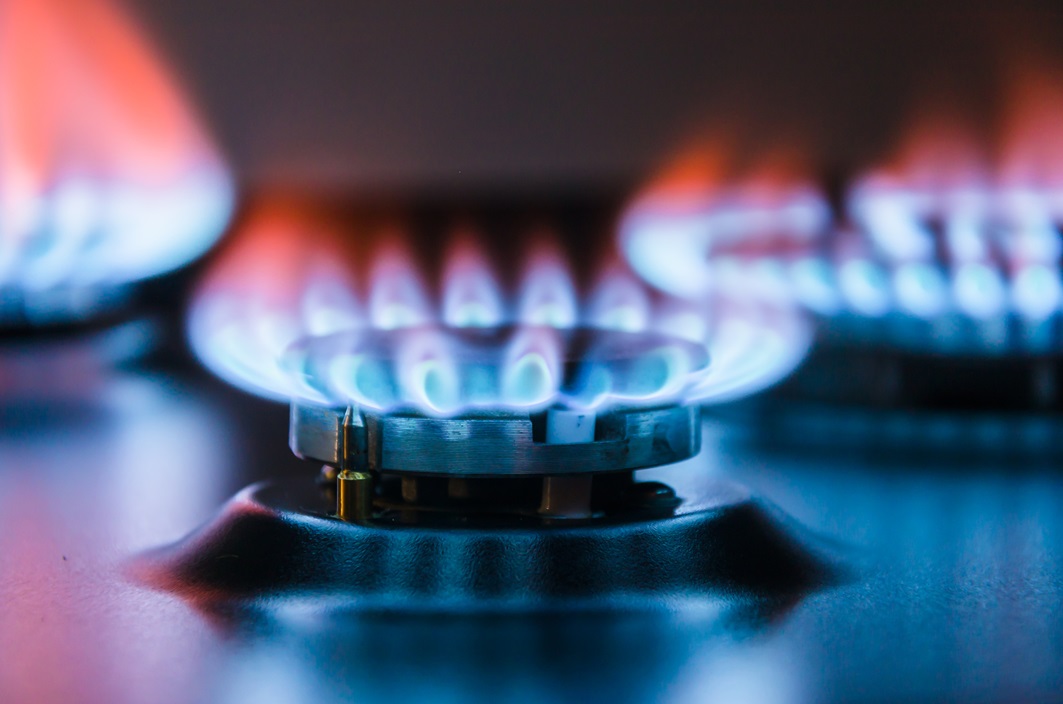
Gas appliances are ubiquitous in many households, providing essential services such as heating, cooking, and hot water. Some of the most common gas appliances include boilers, cookers, heaters, and water heaters. Each of these appliances plays a crucial role in maintaining comfort and convenience in our daily lives.
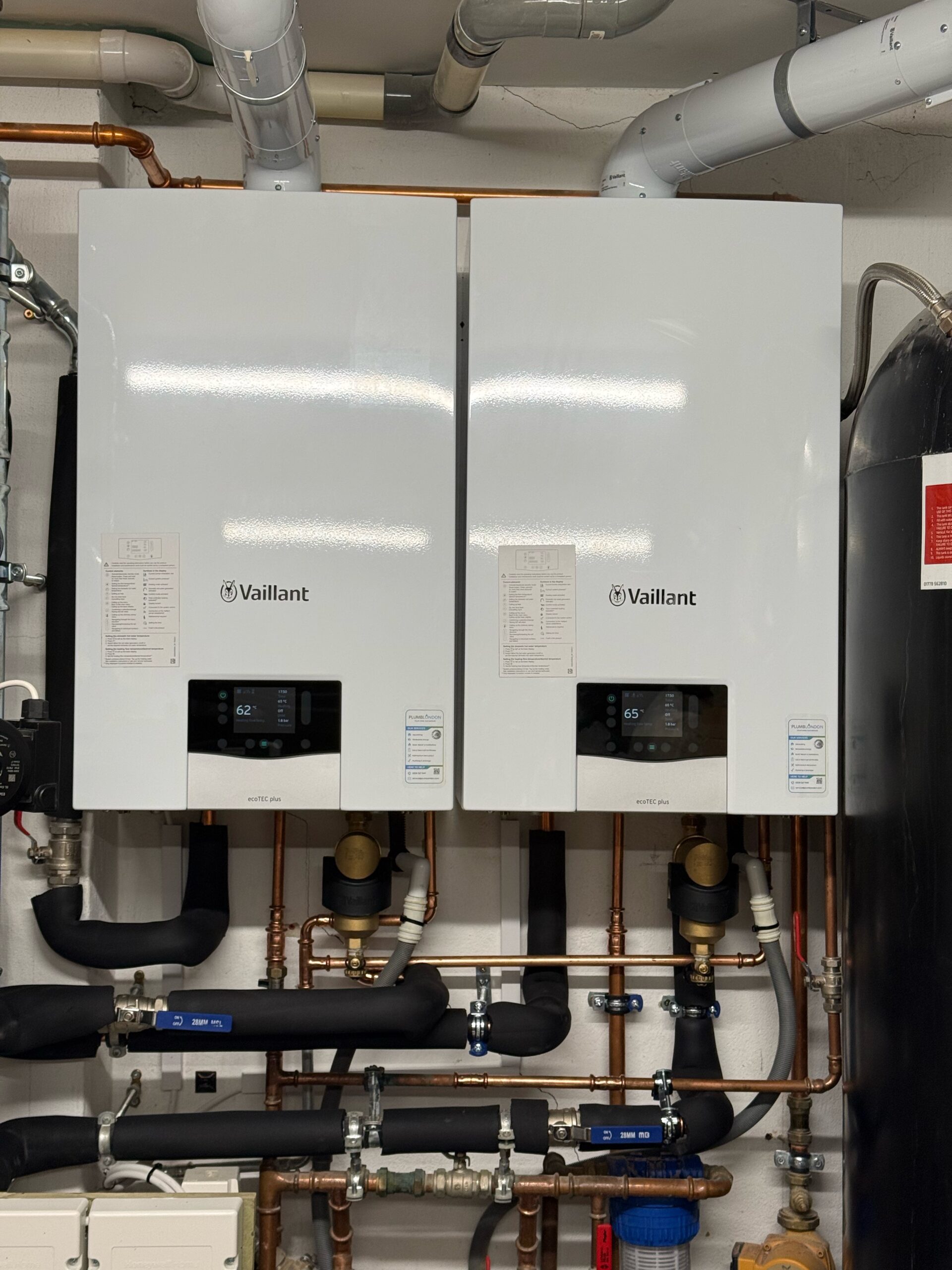
Boilers are often the heart of a home’s heating system, providing heat and hot water on demand. These appliances must be regularly serviced to ensure they are operating efficiently and safely. Cookers, which include ovens and hobs, are another common gas appliance found in kitchens. Proper installation and maintenance are vital to prevent gas leaks and ensure safe operation.
Heaters and water heaters are also widely used, particularly in colder climates. These appliances need regular checks to ensure they are venting correctly and not producing harmful levels of carbon monoxide. Understanding the types of gas appliances in your home and their maintenance needs is the first step in ensuring your household remains safe and efficient.
Signs of Gas Leaks: What to Look For
Recognising the signs of a gas leak is crucial for your safety. Gas leaks can be extremely dangerous, leading to fires, explosions, and carbon monoxide poisoning. Knowing what to look for can help you take immediate action and prevent potential disasters.
One of the most obvious signs of a gas leak is the smell of gas. Natural gas is odourless, but suppliers add a distinct, sulphur-like smell to it to make leaks detectable. If you notice this smell in your home, it’s essential to act quickly. Other signs include a hissing or whistling sound near a gas appliance or pipe, which indicates gas escaping from a leak.
Physical symptoms can also be a warning sign of a gas leak. If you or your family members experience headaches, dizziness, nausea, or breathing difficulties when at home, it could be due to a gas leak.
Additionally, look out for dead plants or vegetation in areas where gas lines run, as this could indicate a leak underground. Being vigilant and recognising these signs can save lives.
Essential Gas Safety Checks for Homeowners
Regular gas safety checks are crucial for maintaining a safe home. They help identify potential issues before they become dangerous, ensuring gas appliances operate safely and efficiently. As a homeowner, it’s your responsibility to arrange these checks with a qualified professional.
Ensure all gas appliances are serviced annually by a Gas Safe registered engineer. During inspections, the engineer will check for wear and tear, leaks, ventilation, and other potential hazards. They will also ensure appliances are operating efficiently. Keep records of inspections for future reference and warranty purposes.
Additionally, regularly check appliances and pipes for visible damage, such as cracks, corrosion, or loose connections. Ensure gas vents and flues are clear of obstructions, as blocked vents can cause dangerous carbon monoxide build-up. Regular checks can significantly reduce the risk of gas-related incidents in your home.
The Role of Gas Safe Register
The Gas Safe Register is the official list of gas engineers who are qualified to work safely and legally on gas appliances in the United Kingdom. This organisation plays a crucial role in ensuring that gas work is carried out to the highest safety standards, protecting homeowners from unqualified and potentially dangerous work.
When hiring a gas engineer, it’s essential to verify their credentials by checking the Gas Safe Register. You can do this easily by visiting the Gas Safe Register website and entering the engineer’s registration number. This verification process ensures that the engineer has the necessary qualifications and experience to perform the work safely and competently.
The Gas Safe Register also provides valuable resources and information for homeowners, including tips for maintaining gas appliances and recognising signs of potential hazards. By relying on Gas Safe registered engineers and utilising the resources provided by the organisation, you can ensure that your gas appliances are in safe hands and that your home remains protected.
How to Choose a Qualified Gas Engineer
Choosing the right gas engineer is essential to keep your boiler and gas appliances safe, efficient, and correctly maintained. With many options in London, Plumb London recommends these simple checks before booking anyone:
1) Confirm Gas Safe registration
Always verify that the engineer is registered with the Gas Safe Register. Registered professionals should be able to provide their Gas Safe number, and you should be able to check it – or ask to see their Gas Safe ID card, which they must carry.
2) Look for real recommendations and reviews
Word of mouth from friends, family, or neighbours is a great starting point. You can also review feedback online to help assess reliability, professionalism, and workmanship.
3) Match experience to the job
Gas engineers may have different experience levels. Make sure they have the right knowledge for your specific appliance, whether you need boiler servicing, boiler repairs, or safe installation.
With Plumb London, your gas work is carried out by Gas Safe registered engineers, giving you peace of mind from call-out to completion.
Tips for Maintaining Your Gas Appliances
Regular maintenance of your gas appliances is essential to keep them safe and working efficiently. Proper upkeep helps prevent hazards, extends their lifespan, and supports better performance – whether you are in Central London or North London.
Start by scheduling an annual service with a qualified Gas Safe registered engineer.
Routine servicing helps ensure appliances run safely and efficiently. During the visit, the engineer checks for signs of wear and tear, possible leaks, and other developing problems.
They will also clean and adjust internal components to maintain optimal operation. Keep service records for future reference, warranty claims, and peace of mind.
Next, carry out regular visual checks of the appliance and gas pipework. Look for damage such as cracks, corrosion, or loose connections. Make sure vents and flues are clear of obstructions, since blocked flues can increase the risk of dangerous carbon monoxide build-up. If you spot any concerns, arrange for a qualified engineer – Plumb London covers many London areas including West London – to inspect and repair the issue.
Finally, follow the manufacturer’s instructions for use and maintenance, including correct settings, routine cleaning, and replacing parts when required.
What to Do in Case of a Gas Emergency
Knowing what to do in a gas emergency can save lives and help prevent serious damage. Gas emergencies – such as suspected gas leaks or carbon monoxide (CO) poisoning – need immediate action.
If you smell gas or think there may be a leak, act quickly. Open all windows and doors to ventilate the area, then turn off the gas supply at the meter. Do not use electrical switches, lighters, matches, or any open flames, as they could ignite the gas. Leave the property immediately and contact the gas emergency service provider. In the UK, you can call the National Gas Emergency Service on 0800 111 999.
If you suspect carbon monoxide poisoning, take it seriously. Symptoms may include headaches, dizziness, nausea, or breathing difficulties. Evacuate the property right away and seek medical help immediately. CO is colourless and odourless, which makes detectors especially important – install carbon monoxide alarms to provide early warning.
Once the immediate danger has passed, contact a Gas Safe registered engineer to inspect and repair any appliances, pipework, or the system. Being prepared helps protect your family and home.
Prioritising Gas Safety in Your Home
Prioritising gas safety is essential for protecting your family and your property. If you have gas appliances in your home, you can reduce risk by recognising the signs of a potential problem and by arranging the right checks and maintenance on a regular basis.
Gas Safety Week 2026 is a great time to review what you have in place and make improvements where needed.
Make sure your boiler and gas appliances are serviced annually by a Gas Safe registered engineer, and keep an eye out for warning signs such as unusual smells, poor performance, or visible wear to pipework and connections. If anything concerns you, don’t wait – contact a professional and get your system inspected as soon as possible.
Remember, gas safety is an ongoing responsibility. Stay informed, stay proactive, and make gas safety a priority in your home. This Gas Safety Week, book your service with Plumb London and take the time to ensure your appliances are working safely – helping you keep your household warm, comfortable, and protected all year round.