
Plumbing problems rarely happen at a convenient time. But not every plumbing issue is an emergency. Some problems can wait for a booked appointment – while others need urgent help to prevent flooding, property damage, mould growth, health risks, and expensive repairs.
At Plumb London, we help homeowners and landlords across London when plumbing goes wrong – fast. In this article, we will explain what counts as an emergency in plumbing, the signs to look for, and what you should do before an emergency plumber arrives.
What counts as a plumbing emergency in London?
A plumbing emergency is any plumbing issue that could cause severe damage if delayed or create a safety risk. In practical terms, it usually means:
- water is actively leaking, flooding, or spreading
- drains are backing up or overflowing
- waste/sewage is involved
- electrics could be affected
- heating/hot water is failing in unsafe or critical conditions
- the situation is rapidly worsening
So, when someone asks, “Is this plumbing emergency?” the answer depends on speed, severity, and risk.
The most common plumbing emergencies (and what to do)
1) Burst pipes and severe leaks (active flooding)
If you have a burst pipe or a significant leak, it is an emergency. Even a small burst can turn into a large problem within hours.
Signs it is a plumbing emergency:
- water is spraying or running continuously
- water is pooling quickly on floors
- the leak is spreading into walls, ceilings, or cupboards
- you cannot stop the leak without shutting off water
What to do right now:
Right now, turn off the water supply if it is safe to do so. Avoid using any electrics near the leak. Keep the area clear so the plumber can access it easily.
2) Blocked drains that overflow or cause sewage backups
Not all blocked drains are the same. Some are inconvenient; others are emergencies.
A blocked drain becomes urgent when there is:
- rising water in sinks, showers, or toilets
- foul odours intensifying quickly
- overflow into the property
- signs of sewage backup
What to do:
Stop using any toilets and drains that are affected. Do not keep flushing, as this can worsen the backup. Avoid DIY attempts that could make the blockage harder to clear.
3) Toilet overflow or toilets that will not clear properly
A toilet can become an emergency when the water level is rising or the toilet overflows repeatedly.
Examples of urgent toilet problems:
- toilet water rises when flushed
- repeated overflow after attempting to flush
- multiple drainage points backing up (toilet + sink + shower)
4) Water leaks near electrics or lighting
Water and electrics are a dangerous combination. If water is near sockets, fuse boxes, exposed wiring, or ceiling lights, treat it as urgent.
Signs:
- dripping onto electrical outlets
- water leaking from the ceiling near lights
- electrical burning smells or tripping circuits
This is not a ‘wait and see’ situation. A 24-hour emergency plumbing response may be essential depending on severity.
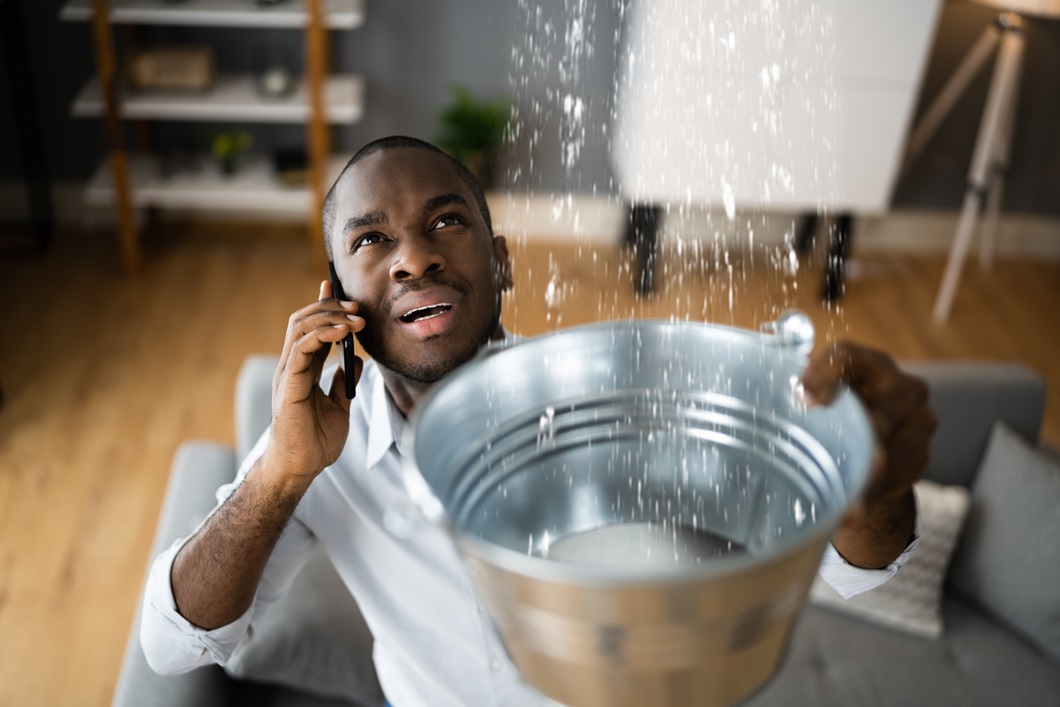
5) Ceiling leaks or water ingress from unknown sources
Sometimes the source is not obvious. If you have a ceiling leak, it is often an emergency if:
- water is actively dripping
- stains are expanding quickly
- water is pooling above living areas
- there is a risk it is coming from pipework
A quick response can prevent ceiling collapse risks, insulation damage, and mould.
6) No hot water or heating – when it becomes critical
A boiler breakdown is not always an emergency, but in London it often becomes one quickly – especially in colder months, for vulnerable occupants, or where tenants/households rely on heating.
Emergency indicators include:
- total loss of heating/hot water
- signs of boiler malfunction you cannot safely operate
- unusual noises plus failure to heat
- unsafe operation concerns
At Plumb London, we focus on urgent boiler support and system troubleshooting so your home can get back to normal quickly.
7) Suspected gas boiler safety issues
Plumbing and heating emergencies can overlap with gas safety. If you suspect gas-related problems, it is essential to treat it as urgent.
Examples include:
- ignition problems with error indications
- suspected carbon monoxide concerns
- anything that makes you feel the system may be unsafe
In these cases, it is always better to get the right qualified professional involved immediately.
When is it not usually an emergency?
Some plumbing issues can wait for a planned visit. While they should be fixed, they may not qualify as emergency plumber callouts if there is no active damage, no overflow, and no safety risk.
Common non-emergency examples:
- a slow-draining sink with no overflow
- minor dripping taps that are not causing pooling
- low water pressure in one tap (not flooding-related)
- small bathroom leaks that are contained and stable
That said, if something is worsening quickly, it can move into emergency territory.
Quick “Is this an emergency?” checklist
Use this to decide whether to contact an emergency plumber:
Call emergency plumbing support if:
- water is flooding or spreading
- drains are overflowing or backing up waste
- you suspect sewage involvement
- electrics could be affected
- you cannot isolate the leak safely
- there is a potential heating/gas safety issue
Book a regular plumbing appointment if the issue is minor and contained, there is no flooding or backflow, it is not getting worse rapidly, and there is no safety risk. If you are unsure, contact professionals quickly, as delays can turn manageable repairs into emergencies.
What to do before an emergency plumber arrives (London emergency advice)
While waiting for Plumb London to arrive, you can significantly reduce property damage and help the job go faster by taking a few key precautions. First, safely shut off the water flow to your property or the affected area if you know where the valve is located. Avoid using the problem area altogether, meaning you should not continue flushing toilets or running taps if you notice any backflow or overflowing water. Protect yourself by staying completely away from electrical appliances, sockets, and switches if water is pooled nearby. You can also make the work easier for the engineer by clearing items away from access panels, under-sink units, and boiler cupboards. Finally, resist the urge to attempt aggressive DIY fixes – especially when dealing with rising water, active flooding, or sewage leaks.
Why choose Plumb London for emergency plumbing in London?
When you need an emergency plumber, you want more than just someone to show up. You want speed, competence, clear communication, and a proper fix so the problem does not return.
Plumb London offers same day emergency plumbing service across London, with fast response from local plumbers and heating engineers in areas such as Islington, Kensington, Wimbledon, Richmond, Peckham, Clapham, Chelsea, Greenwich, and Hackney. Their fully qualified, registered, and experienced engineers provide straightforward support when you need it most.
Plumb London also understands that plumbing emergencies can disrupt tenants, landlords, and entire households, so they aim to minimise disruption and restore safety as quickly as possible.
Book emergency plumbing help with Plumb London
If you are dealing with a plumbing emergency in London, whether it is a burst pipe, blocked drain, overflowing toilet, ceiling leak, or urgent boiler issue, do not wait for the damage to get worse. Plumb London provides same day emergency plumbing support across London, with local plumbers and heating engineers ready to respond quickly, communicate clearly, and carry out a proper, professional repair when you need help most.