
Our Complete Winter Home Checklist
The mornings feel sharper, the evenings draw in, and suddenly that extra blanket on the sofa is getting plenty of use. Before long, the heating becomes part of everyday life again.
But is your home ready?
At Plumb London, we believe getting ready for winter should start before you urgently need the heating. A few sensible checks can help you spot concerns, understand your system, and arrange repairs without the added pressure of a freezing house.
From your boiler and radiators to outside taps and draughty windows, here is our practical checklist for getting your home ready when cold weather starts to kick in.
Start Your Checks
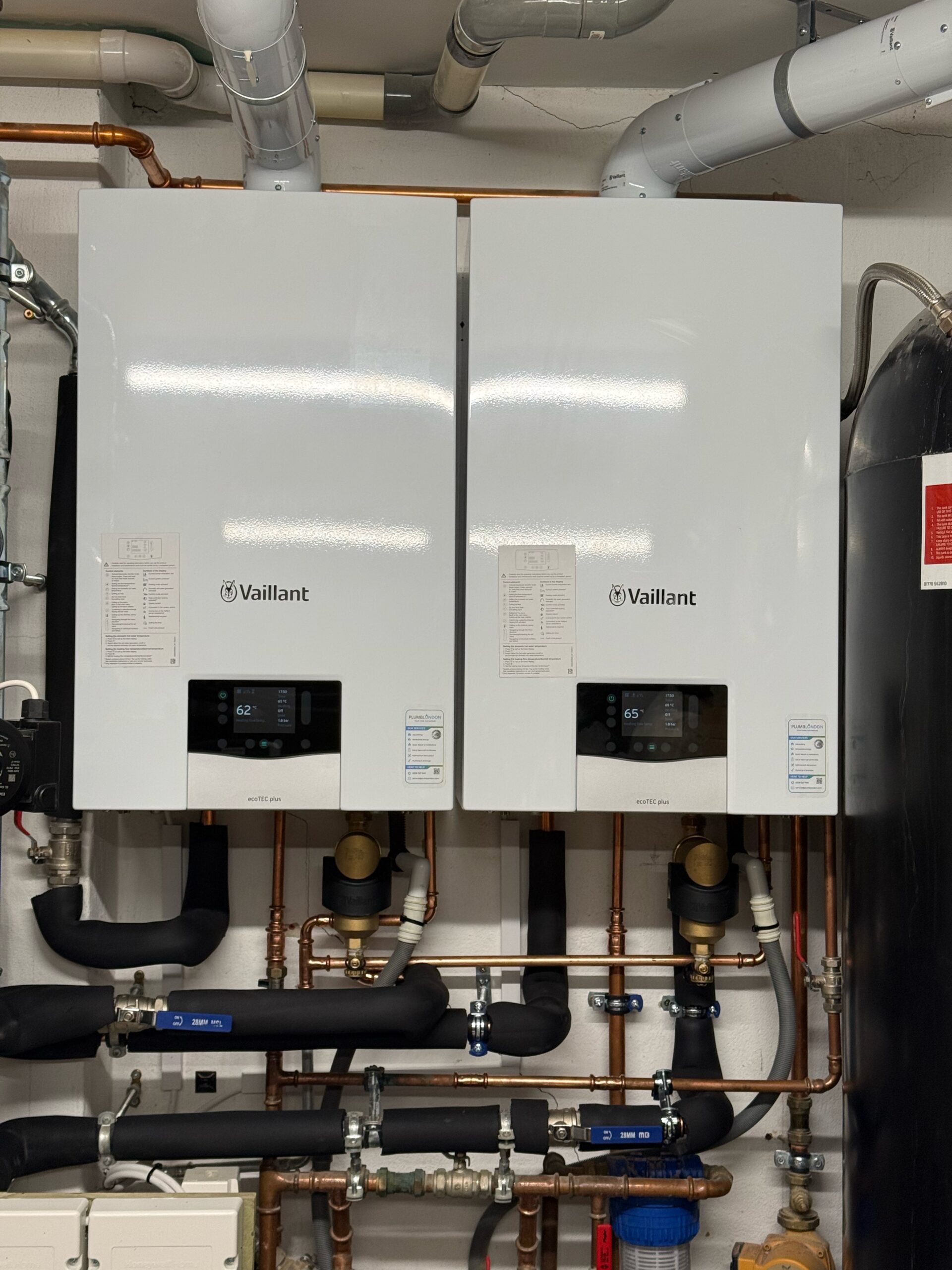
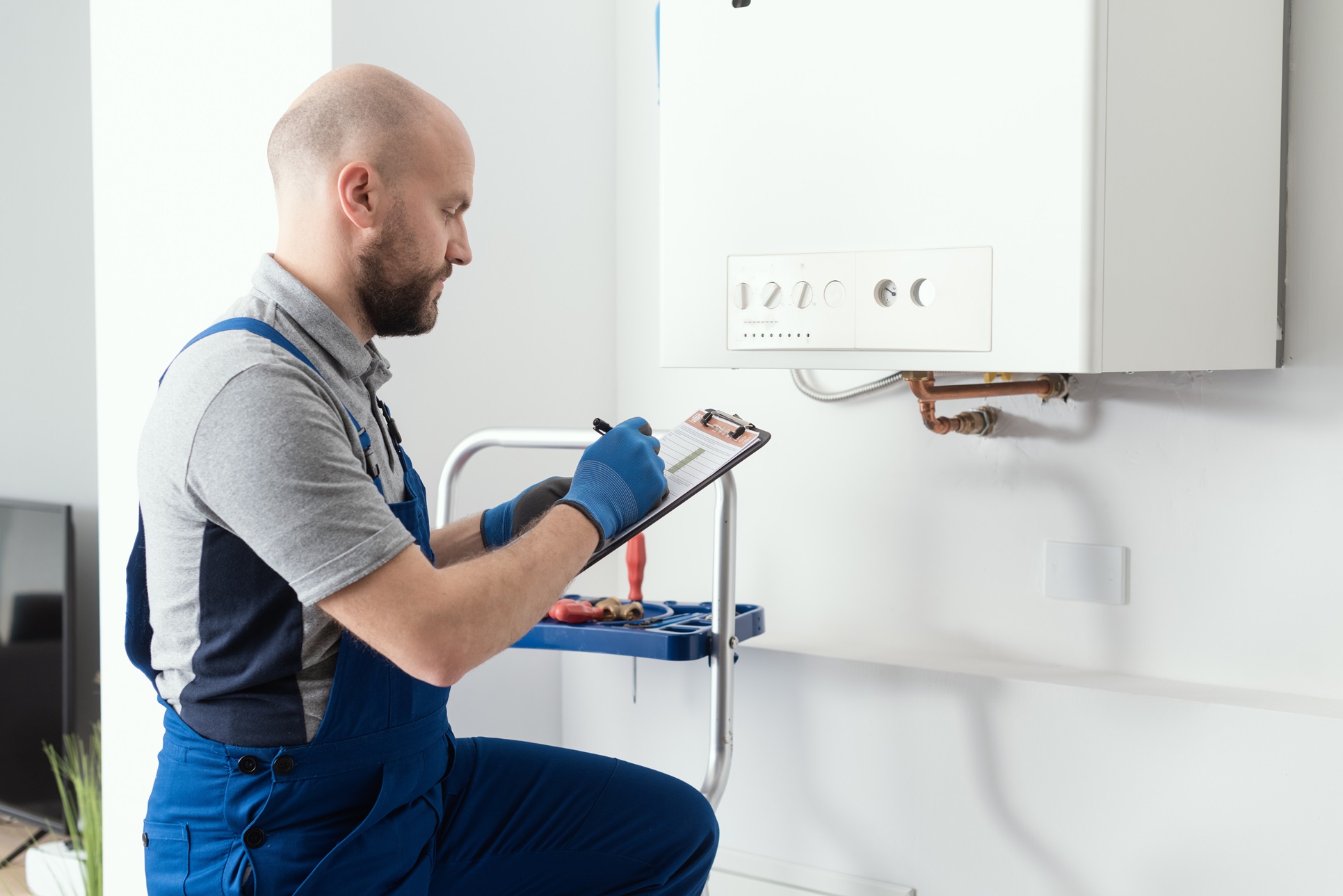
Check When Your Boiler Was Last Serviced
Start with your boiler’s service record. If you cannot remember its last service, find the paperwork rather than assuming everything is up to date.
The Health and Safety Executive strongly advise that gas appliances, flues and pipework are regularly maintained and serviced at least annually by a suitably qualified Gas Safe registered engineer. Always check the engineer’s identification and qualifications for the work involved.
Before your appointment, make a note of anything unusual: unfamiliar noises, intermittent hot water, fault messages, or repeated pressure loss. Mention these when booking so the team understands whether you need routine servicing, fault investigation, or both.
Never remove the boiler casing or attempt an internal repair yourself.
Test the Heating Before You Really Need It
Choose a day when you can switch the heating on and take your time checking the house.
Use your normal controls, then walk through every room. Do the radiators begin warming? Does one room remain noticeably colder? Is the boiler displaying a warning?
Cold radiators can have several causes, including trapped air, valve issues, and circulation problems. Identifying which rooms are affected is more useful than guessing which component needs replacing.
We suggest writing down what happens. “The upstairs bedroom stays cold while the downstairs rooms warm normally” gives an engineer a useful starting point.
If a fault appears, photograph the display and consult your appliance instructions. Avoid repeatedly resetting the boiler instead of investigating the problem.
Give Every Radiator Some Attention
Do not stop at the radiator beside your favourite armchair. Include the spare bedroom, hallway, and bathroom.
A radiator that is cooler at the top may contain trapped air. Bleeding can help where that is the cause, but it will not fix every heating problem. Uneven performance across the property may need a wider assessment.
If bleeding is appropriate and you know how to do it safely, switch the heating off and allow everything to cool first. Use the correct key, protect the surrounding area, and open the bleed valve only slightly. Check system pressure afterwards where applicable.
Stop if a valve is stuck, damaged or leaking. We would rather you ask for help than force a fitting and create a bigger job.
Check Boiler Pressure Against the Manual
If your system has a pressure gauge or digital pressure reading, compare it with the range specified in your boiler manual.
Do not assume that a number recommended for somebody else’s boiler is correct for yours. Manufacturer guidance should be your starting point.
Low pressure can sometimes follow radiator bleeding, but pressure that keeps falling needs attention. Repeated topping up should not become a substitute for finding the cause.
Take a photograph of the reading and record whether the heating was hot or cold. If you need advice, that information is useful.
Only follow the correct manufacturer’s filling instructions. If you cannot confidently identify the controls involved, leave them alone and contact a professional.
Inspect Exposed Pipes and Outside Taps
Next, think about the colder parts of your property: accessible loft areas, garages, unheated cupboards, and outdoor pipework.
Check whether pipe insulation is missing, damaged or has been disturbed. We recommend protecting exposed pipes before freezing conditions arrive, particularly in vulnerable locations.
Outside, disconnect garden hoses and check taps for dripping. Suitable tap covers and appropriate pipe insulation can form part of your winter precautions. Where an outside supply can be isolated and drained, ask for guidance if you are unsure how your installation works.
Keep the inspection safe. There is no need to climb into an unsafe loft or reach across slippery surfaces. Add inaccessible areas to your professional maintenance list instead.
Know Where Your Stop Tap Is
If a pipe leaks, you do not want to spend precious time searching behind kitchen cupboards.
Locate your internal stop tap and make sure it is accessible, and you know how to shut off the water supply quickly if a pipe freezes or bursts.
Our suggestion is simple: take a photograph, label the location, and show other household members.
If you are comfortable checking its operation, do so gently. Arrange help if it is seized, leaking or does not appear to work.
In a flat, clarify which valve serves your property before touching shared controls. Ask your landlord or managing agent for the correct isolation arrangements and emergency contact details.
Ask About Your Condensate Pipe
Your boiler’s condensate pipe may not receive much attention, but an exposed section can freeze in very cold weather and prevent the boiler from operating.
Before winter, ask an engineer to identify the pipe and assess whether its route or protection needs attention.
If you suspect it has frozen, follow your manufacturer’s guidance. Worcester Bosch advises using warm – not boiling – water for a correctly identified frozen pipe that is safely accessible. Never use a naked flame, and do not climb a ladder in icy conditions.
A recurring freeze deserves a longer-term assessment rather than the same emergency routine every winter.
Check Draughts Without Blocking Ventilation
Take a walk around external doors and windows. Where can you feel unwanted cold air entering?
Suitable draught-proofing can reduce heat loss and improve comfort. However, draught-proofing is not the same as sealing every opening: necessary ventilation must remain available.
Never block air bricks, extractor fans, trickle vents, or ventilation provided for appliances. Controlled ventilation helps remove moisture and reduce condensation.
Make a list of worn seals and obvious gaps, then choose repairs appropriate to the window or door.
We would also suggest checking rooms you use less frequently. It is easy to overlook a draught in the spare room until a guest points it out.
Review Your Heating Routine
Before changing temperatures, ask whether your current programme still suits your household.
We suggest checking:
- The displayed time and day.
- Weekday and weekend schedules.
- Holiday or away settings.
- Temporary overrides.
- Which rooms are now regularly occupied.
Perhaps you work from home more often, or somebody is up earlier for work compared to last winter. Write down the routine you want before changing the controls.
Keep your first adjustments simple and use the instructions for your specific system. Avoid changing unfamiliar installer settings.
It is also worth making sure another household member knows the basics. Nobody should have to wait for the family’s unofficial heating expert to come home.
Check Carbon Monoxide Alarms
Include your carbon monoxide alarm in your winter checks. Test and maintain it according to its manufacturer’s instructions and check its replacement date.
An alarm is an additional safeguard – not a replacement for properly maintained appliances and professional gas work.
If an alarm sounds or you suspect carbon monoxide, leave the property, and seek emergency assistance. Do not carry on testing the boiler or assume opening a window has resolved the danger.
Keep this separate from routine maintenance: immediate safety concerns should never wait for a convenient appointment.
Get Your Home Winter-Ready with Plumb London
Our advice is to finish your checks with a short, practical list: what works, what concerns you and what needs professional attention.
You do not need to diagnose every fault yourself. A clear description, a photograph, and a little information about when the problem occurs can make the next conversation much easier.
At Plumb London, we can help with boiler servicing and repairs, central heating, general plumbing, and emergency plumbing across London.
Need help getting ready for the colder months? Call our team on 020 7871 1861 or book an appointment for a no-obligation quote.